1:1 Exhibition by Piero Lissoni
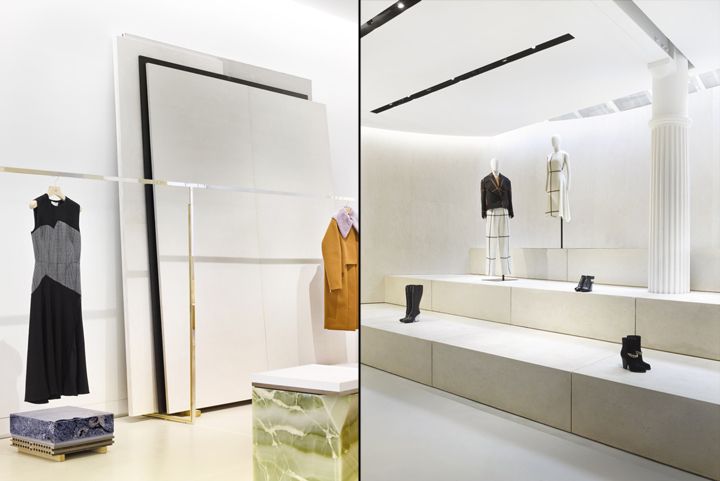
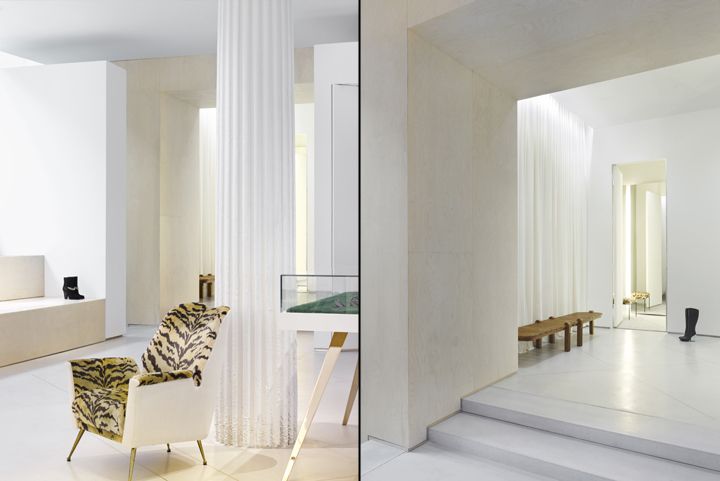
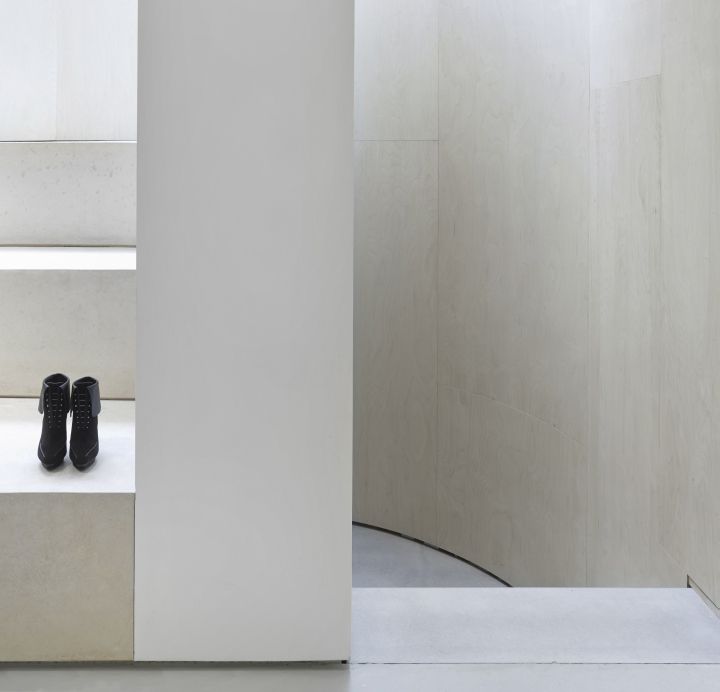
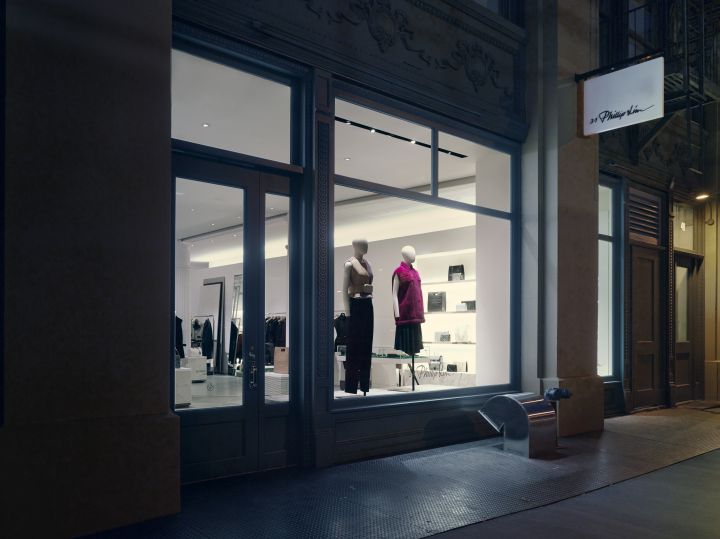
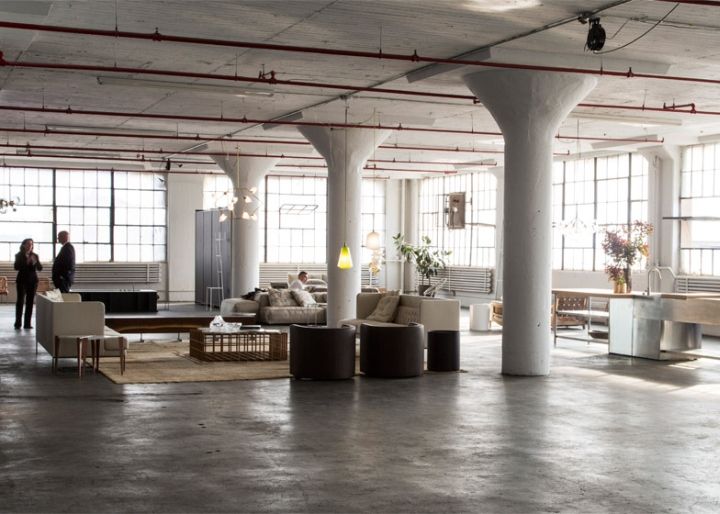
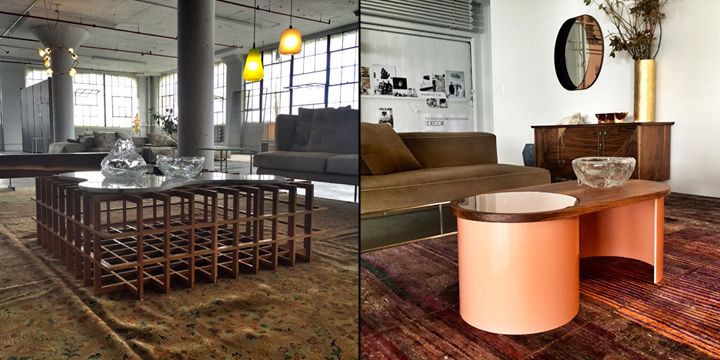
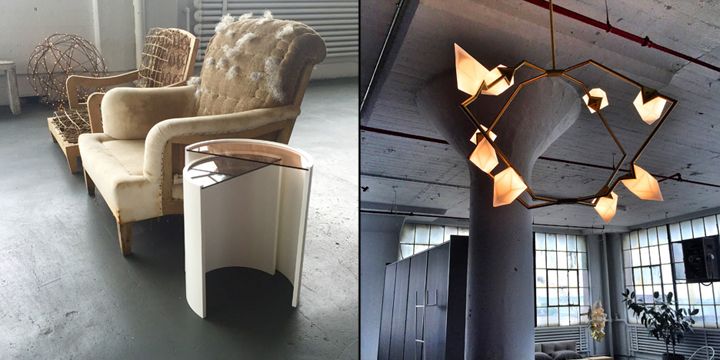
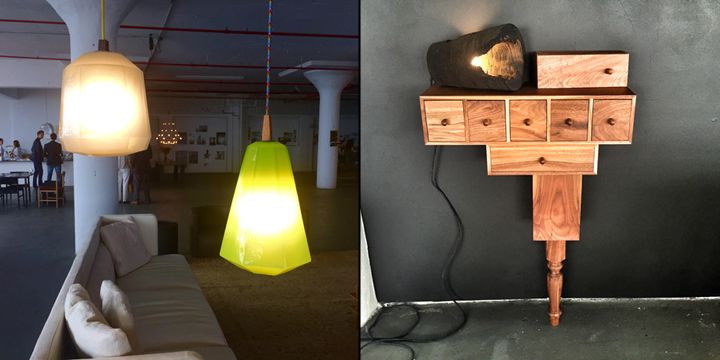
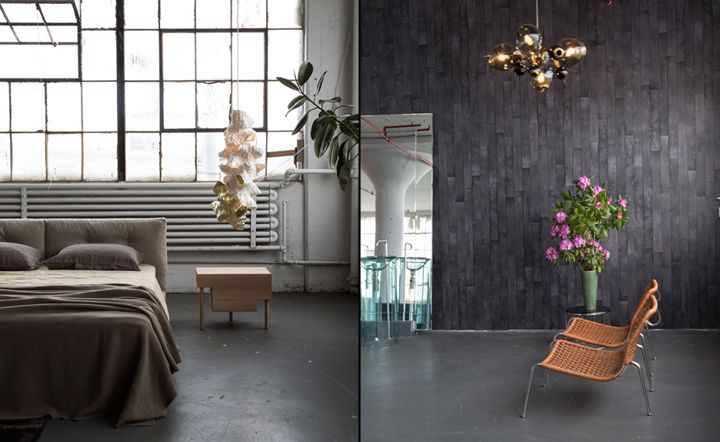
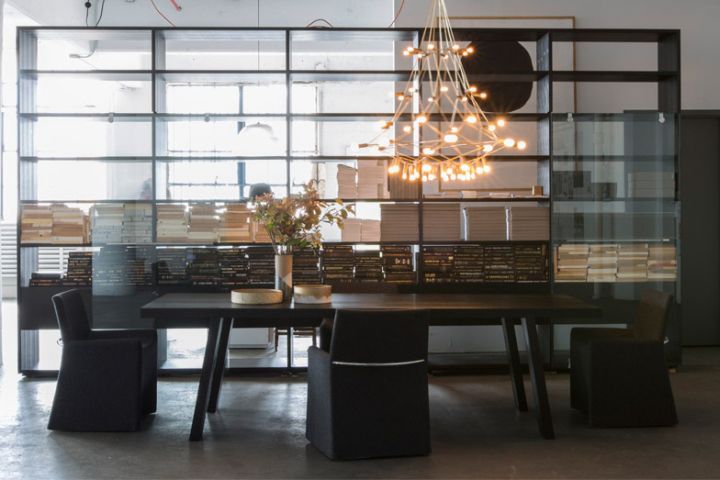
2015年,纽约布鲁克林工业城的一个阁楼内,举办了一场名为“1:1”的展览,集中展示了意大利设计师皮耶罗·利索尼(Piero Lissoni)的家具作品,并与当地新锐设计师的作品并置。这个4000平方英尺(约371平方米)的空间原本是工业综合体的一部分,如今越来越多设计师和艺术家在此设立工作室。为期四天的展览由独立造型师Carin Scheve策展,她长期与利索尼合作,此次特意挑选了与利索尼家具相得益彰的、富有表现力的作品。
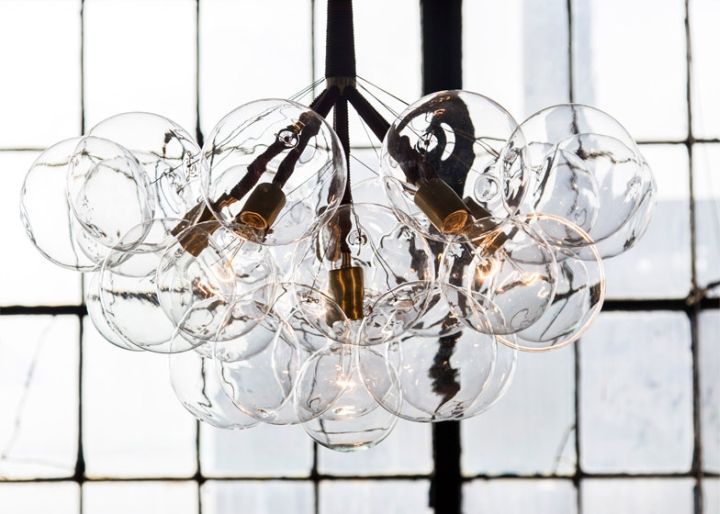
在入口休息区,利索尼的Ile Club沙发与Bower工作室的Contour咖啡桌和Tribar镜子搭配。Bower由Danny Giannella和Tammer Hijazi于2013年创立。墙面装饰采用Flavor Paper的Andy Warhol系列壁纸。另一区域,Bower的Contour边桌与破旧旧椅并列。客厅区域,利索尼的Lipp沙发配以Pelle的Quadrat咖啡桌。Pelle由Jean和Oliver Pelle于2011年在布鲁克林红钩区创立。客厅还展示了Assembly Design的2X玻璃碗,以及Token工作室的彩色吹制玻璃吊灯。Snarkitecture的毛毡灯置于Pelle设计的单腿木制边几上。用餐区悬挂Pelle的Bubble吊灯。浴室区,Lindsey Adelman的Burst吊灯悬于利索尼为Living Divani设计的Frog椅上方,墙面覆盖Flavor Paper的炭化雪松壁纸。
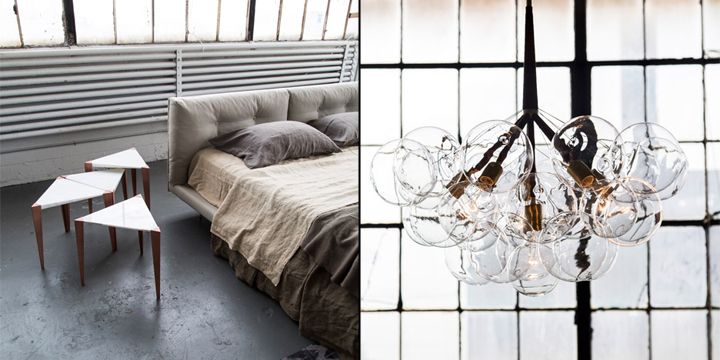
卧室区陈列了利索尼为Porro设计的漆面储物柜和为Living Divani设计的Rod床,搭配Avandi的床头柜。Avandi由生于比利时的设计师Ariane van Dievoet创立。Patrick Weder的Honeycomb吊灯亦在卧室中。利索尼的Minimo餐桌和System书架与Townsend Design的Stellar 56吊灯组合。
策展人Scheve表示,布鲁克林的设计场景与米兰有着相似的工艺传承,“布鲁克林是年轻人学习制作的新地方,几乎所有作品都在这里制作,这令人惊叹。”利索尼则享受这种风格对比:“我不喜欢语言变得平淡。我设计的东西往往过于统一,我喜欢组合。”
Get an unrestricted access to all the blog and those extraodinary functions that can help your business grow in a continuously changing industry.
New York 2015: an exhibition in a Brooklyn loft showcases furnishings by Italian designer Piero Lissoni, paired with work by New York designers (+ slideshow).
The 1:1 Piero Lissoni Exhibition was presented in a 4,000-square-foot (371 square metre), light-filled space in Industry City – an industrial complex in Brooklyn’s Sunset Park neighbourhood, where designers and artists are increasingly setting up new studios. The four-day exhibition, which closed yesterday, was staged in an open-plan loft fitted out with furnishings by both Lissoni and local designers, including architecture firm Snarkitecture and lighting designer Lindsey Adelman. The show was curated by Carin Scheve , an independent stylist who has long worked with Lissoni.
“The space is so industrial, which is already a contrast with what Piero is designing. I felt like it needed some kind of kick,” said Scheve of her curatorial approach. “That’s when I started to look for all of these young designers.” She sought out expressive pieces that paired well with Lissoni’s furnishings. “What connects them is sophistication,” she said. “I felt somehow you could see a connection, that it could all fit together, that the local pieces would modernise the slick Italian design.” She added that the Brooklyn design scene has a kinship to Milan, with its long legacy of craftsmanship. “Brooklyn is the new place where all these young people are learning how to make things,” said Scheve. “Almost all of these pieces are made here in Brooklyn, which I think is amazing.”
Giving Dezeen a tour of the exhibition, Lissoni said he enjoyed the contrast in styles. “I don’t like when the language becomes flat,” he said. “I’m flat. I design everything a little bit too much on the same line. I like the combination.”
In a lounge area near the loft’s entrance, Lissoni’s Ile Club sofa was combined with two pieces by Bower: the Contour coffee table and Tribar mirror. Bower is a Brooklyn atelier launched in 2013 by designers Danny Giannella and Tammer Hijazi. The entrance area also featured wallpaper by Brookyln-based wallpaper studio Flavor Paper, from its Andy Warhol collection. In another section of the show, Bower’s Contour side tables sat alongside battered old chairs. An area styles as a living room contained a Lissoni-designed Lipp sofa paired with the Quadrat coffee table by Pelle. Based in Brooklyn’s Red Hook neighbourhood, Pelle was launched in 2011 by Jean and Oliver Pelle, who both studied architecture at Yale.
The living room also featured 2X glass bowls by Assembly Design. The local firm was established in 2012 by Pete Oyler, who studied art history and theory at Rhode Island School of Design (RISD), and Nora Mattingly, who studied interior design at Pratt. Colourful, blown-glass pendants by Token were hung in the same area. Started by designers Will Kavesh and Emrys Berkower, the Red Hook-based studio makes lighting and furniture. A lounge chair and sideboard by Token were also featured in the show. A felt lamp by Snarkitecture sat on a one-legged, wooden console designed by Pelle. The dining area showcased Pelle’s Bubble chandelier. In the bathroom area, a key feature was the Burst chandelier by Lindsey Adelman, which hung over Frog chairs designed by Lissoni for Living Divani. One wall was covered with Charred Cedar wallpaper by Flavor Paper.
The Seed chandelier designed by Bec Brittain for Roll & Hill hung near the centre of the room. The bedroom area featured two pieces by Lissoni: a lacquered storage wardrobe for Porro and the Rod bed for Living Divani. These furnishings were paired with bedside tables by Avandi — a Brooklyn-based studio that was started by Ariane van Dievoet, a Belgium-born designer who studied at RISD. The bedroom also included a Honeycomb pendant by Patrick Weder, a lighting and furniture designer in Brooklyn. A low bench designed by Weder was included elsewhere in the show. Lissoni’s Minimo dining table and System bookshelves were paired with the Stellar 56 chandelier by Townsend Design. Launched in 1998, Townsend is based in Long Island City, Queens.
Furniture manufacturer for the residential sector, hotels and palaces
本次展览的核心策略是“对比激活”——将意大利设计师利索尼的简约、流畅、工业化的家具,与布鲁克林本地设计师的手工感、实验性、甚至粗犷的作品并置,使空间产生张力。
- 空间策略:利用工业阁楼的原始质感(水泥地面、裸露结构)作为中性基底,再通过家具的“碰撞”制造视觉焦点。入口区域用利索尼的模块沙发搭配Bower的有机形态咖啡桌,形成刚柔对比。
- 材质与工艺:利索尼的作品多采用光滑漆面、金属、皮革等精致材料,而布鲁克林设计师则偏好手工玻璃、毛毡、炭化木材等更具触感的材质。这种“精致 vs 手工”的对话丰富了空间层次。
- 动线与体验:展览以开放式布局引导参观者自然穿行于不同场景(休息区、客厅、餐厅、卧室),每个区域都是一组“对话”,而非孤立展示。例如,浴室中Lindsey Adelman的“爆发”吊灯与利索尼的椅子形成戏剧性冲突。
- 灯光与色彩:大量使用吊灯作为空间节点,如Pelle的Bubble、Townsend的Stellar 56,既界定区域又增加垂直线条。色彩上,利索尼的克制(黑、白、灰)与当地作品的鲜艳(彩色玻璃、壁纸)形成互补。
- 可借鉴点:1)将国际品牌与本地手工艺结合,既能提升品牌在地化认知,又能为空间注入独特性;2)用策展思维组织零售空间,每个角落都是一个故事;3)利用“不完美”的旧物(如破旧椅子)打破设计的一贯性,创造惊喜。