30 Years / 7 Rooms exhibition
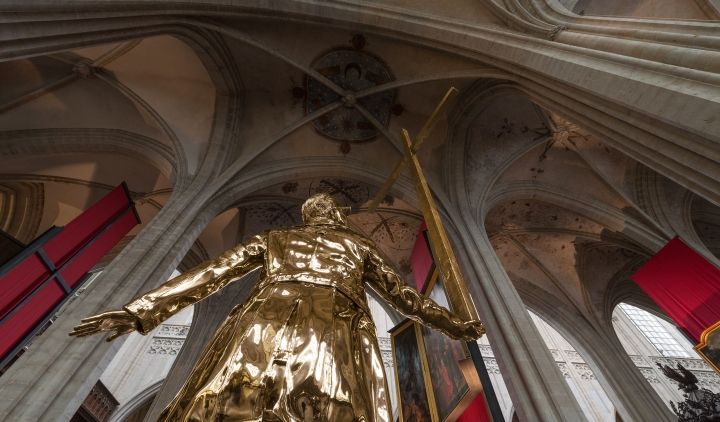
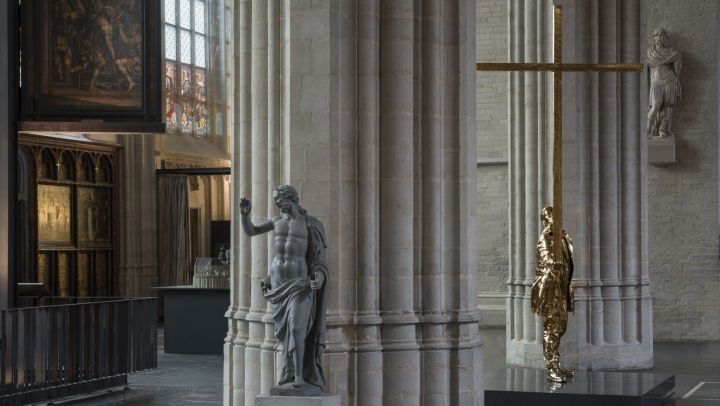
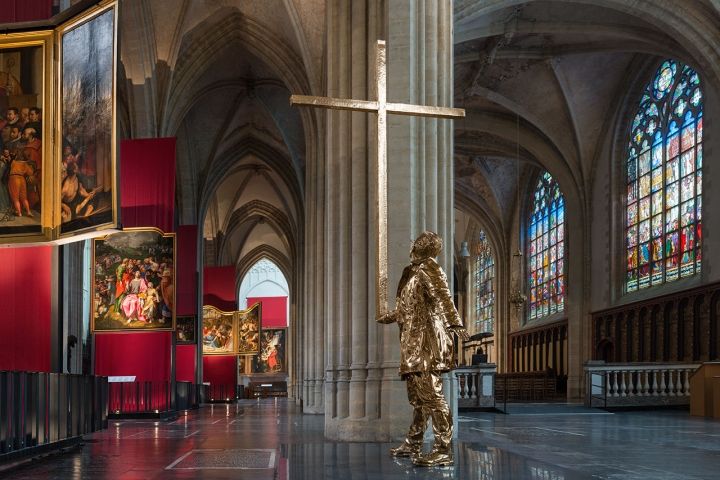
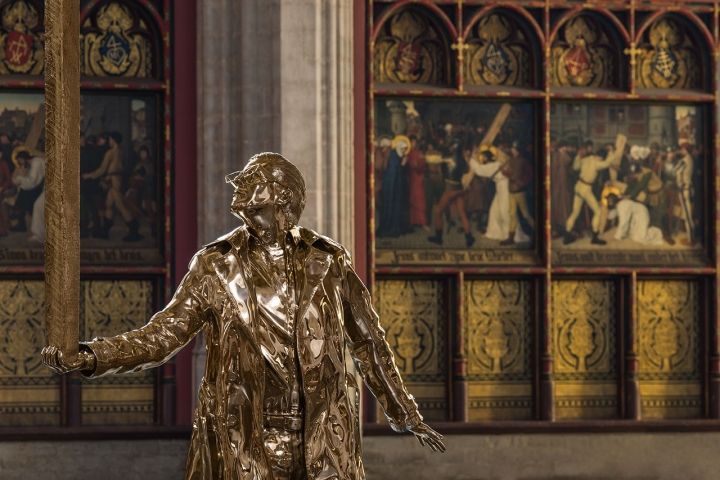
比利时多学科艺术家 Jan Fabre 再次证明其艺术的永恒性:青铜雕塑《背负十字架的人》(2015)正式入驻安特卫普圣母大教堂,与佛兰德画家彼得·保罗·鲁本斯的杰作《下十字架》(1611-1614)形成对话。雕塑的面部融合了 Fabre 本人及其已故诗人兼演员叔叔 Jacques Fabre 的特征,更象征每个普通人的面孔——他背负十字架的姿态显示其轻盈,与天主教传统中沉重的苦难意象截然不同。大教堂牧师 Bart Paepen 表示,这件作品“真实与美相互触碰”,从一开始就深深打动了他。
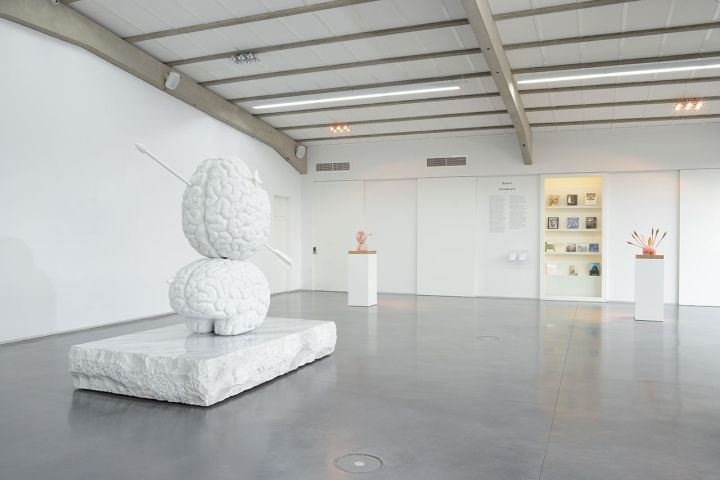
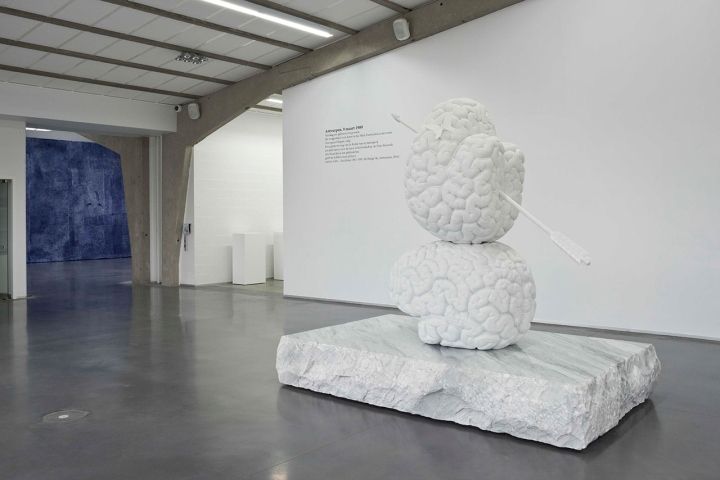
与此同时,Deweer 画廊正在举办大型回顾展“Jan Fabre – 30 Years / 7 Rooms”,庆祝 Fabre 与画廊主 Mark Deweer 三十年的合作。展览占据画廊所有空间,包括地板、墙面、屋顶甚至地下室,分为七个主题房间,以独特戏剧编排呈现 Fabre 创作生涯中最重要的一系列作品。在入口大厅的“Room I – Brainhearts”中,展出了 Fabre 最新大理石雕塑《大脑如心,心若大脑》(2015),采用米开朗基罗所用的卡拉拉大理石雕刻,将理性与情感的象征——大脑与心脏——融为一体。
Get an unrestricted access to all the blog and those extraodinary functions that can help your business grow in a continuously changing industry.
Famous Belgian multidisciplinary artist Jan Fabre demonstrates once again the timelessness of his art: the bronze sculpture “The Man who Bears the Cross” (2015) has officially become part of the Cathedral of Our Lady in Antwerp, facing —or even complementing— Flemish painter Peter Paul Rubens’ masterpiece, “The Descent from the Cross” (1611 – 1614), a monumental triptych crowning one of the cathedral’s altars.
Throughout his creative path, the pioneer visual artist, theatre director and author has continued to be a tireless researcher who constantly questions his personal experiences through powerful images: “I think the sculpture reflects my identity as an artist, as a human, as someone who is searching, doubting, taking risks, choosing to experiment, asking questions”, he reveals in our conversation on the day of the artwork’s official inauguration. “When you look at my oeuvre, the cross is always there, and it is very important for different reasons. Don’t forget, when you think about visual arts purely, but also socially, you think about the virtual line that runs throughout the human race; people standing up, erect. And of course, you think of the horizontal, the landscape, you could say, the meeting of human and nature, as well as the cross as a kind of vitality: the tree of life”.
The sculpture’s face is a combination of Jan’s and his dead uncle’s, Jacques Fabre, who was a poet and an actor. But it is also the face of every man: what we see is an ordinary man bearing a cross, or rather handling it, since the man’s posture show that the cross is in fact light, and has nothing to do with the unbearable load associated with this symbol in the Catholic Church’s iconographic tradition. Inevitably, this antithesis could make some wonder as to whether “The Man who Bears the Cross” actually belongs in a church. “Undoubtedly yes”, says Bart Paepen, Parish Priest of the Cathedral. As he explains to me: “From the first moment I saw it, I was really touched by it. And I think it’s because the image that this sculpture presents is so direct, and gives the impression that is entirely true. In this work, truth and beauty touch each other. The sign of the cross of course is very central to our tradition; this combination of truth and beauty paired with our traditional iconographical language immediately made clear to me that this artwork had to come to the Cathedral”.
For Jan Fabre, this meeting of contemporary art and religion is all about openness: “It is very important that people from the church want to bring contemporary art back to the church. And believe me, it’s the right place for it. In my life I have only come across two places, church and museum, where there is no power of economics involved. The fact that we are doing this together is a very important act to the outside world”. I personally couldn’t agree more.
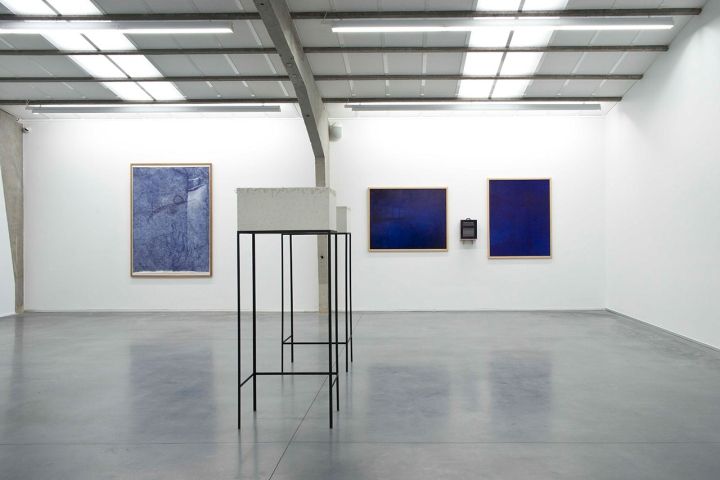
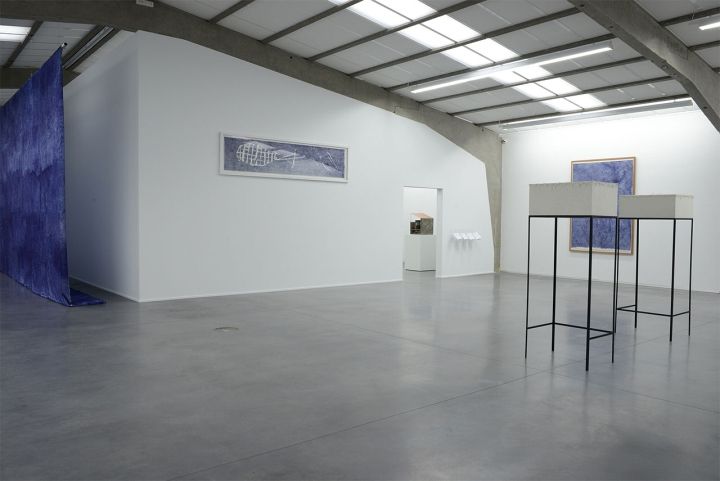
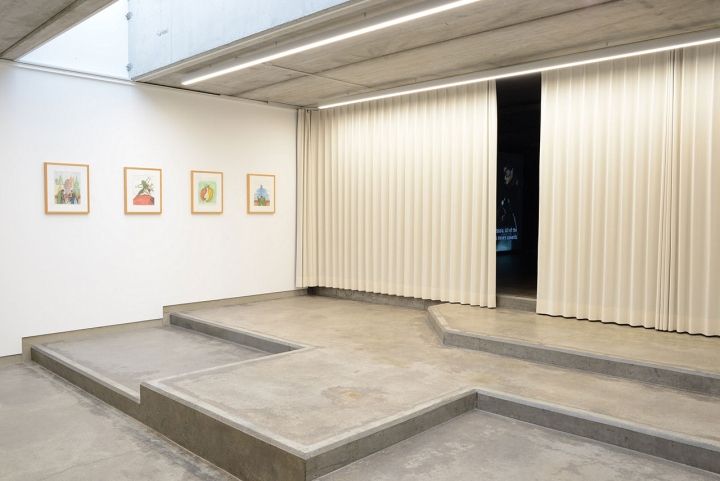
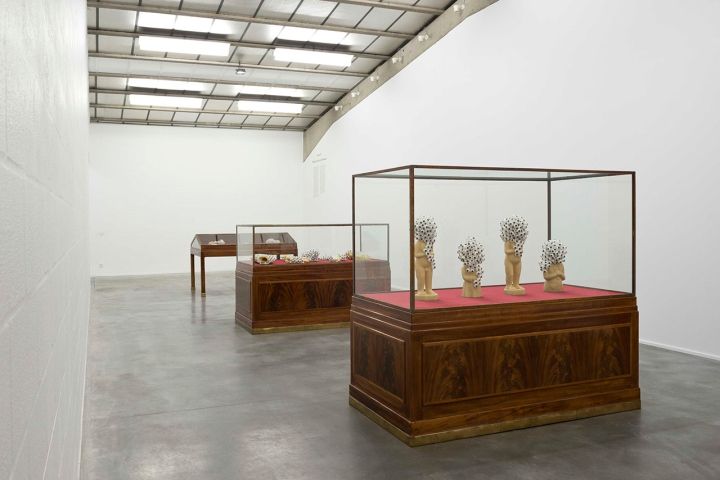
At the same time that the sculpture is officially being inaugurated at the Antwerp Cathedral, Belgian gallery Deweer is showcasing the major retrospective “Jan Fabre – 30 Years / 7 Rooms”. This unique exhibition festively celebrates thirty years of collaboration between Jan Fabre and Mark Deweer, a visionary, passionate gallerist who foresaw the artist’s genuine talent and creative genius during the early days of his career. The exhibition extends over all the exhibition spaces of the gallery, which is located in Otegem, a village in the beautiful countryside, approximately half an hour away from Brussels. The exhibition is divided into seven themed rooms and presents the most important groups of works in Fabre’s oeuvre in a unique dramaturgy, created specially by the artist. Using all of the gallery’s available surfaces— floors, walls, the roof and even the basement— the artist staged his works in such a way that the visitor can actually enter his creative mind.
Presented in the middle of the gallery’s lobby, “Room I – Brainhearts” presents Fabre’s latest sculpture “The Brain as a Heart, the Heart as a Brain” (2015) which is carved from Carrara marble, the same marble used by Michelangelo. With this magnificent sculpture, which impresses with its size, the visionary artist brought together, in a single work, the symbols of reason and feeling: the brain and the heart. In the following section, “Room II – The Hour Blue”, the visitor can admire one of Jan Fabre’s most famous groups of work, dating from between 1977 and 1991: referring to the particular colour of the sky between day and night. Comprised of drawings, the Hour Blue series were made by Fabre using a blue Bic ballpoint pen on different materials, such as paper, canvas, glass and wood.
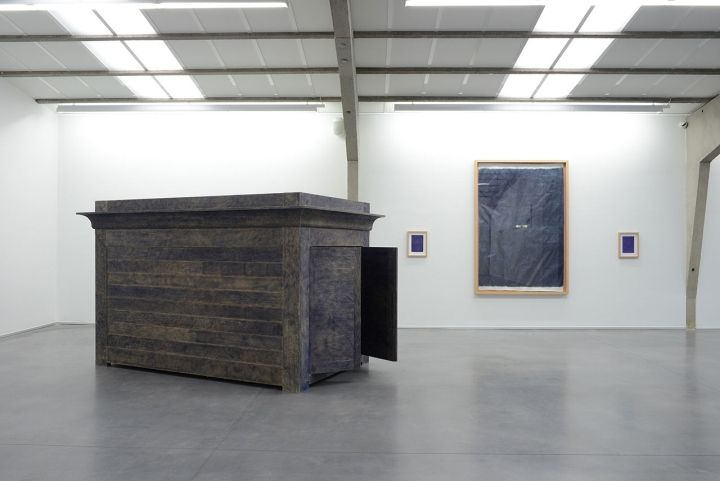
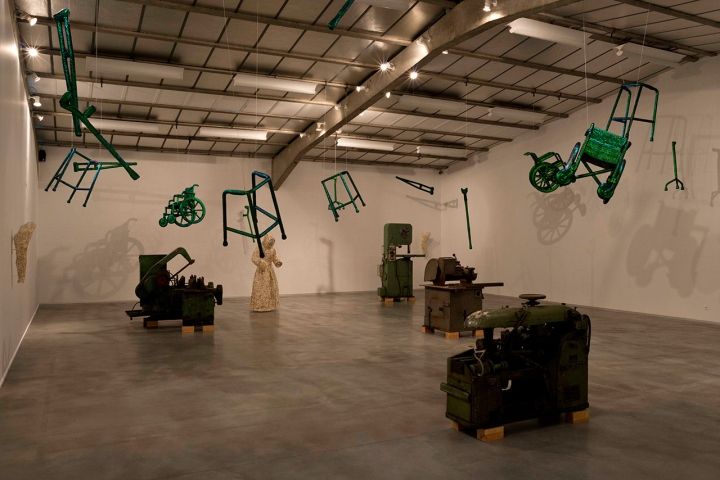
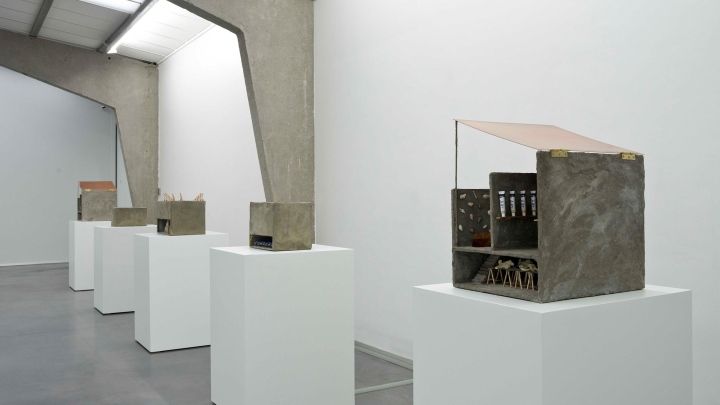
More recent works follow in the rest of the exhibition’s sections, starting with the Shelter-studios encountered in Room III, which are models and installations inspired from Fabre’s recollections of personal contacts with seven Chilean illegal immigrants (1992 & 1993 – 2008). In “Room IV – Offerings to the God on Insomnia”, the artist presents an ensemble of new eye-sculptures, a theme that Fabre introduced during his 2008 exhibition at the Louvre Museum reflecting the fact that the artist suffers from insomnia. The following fifth room reveals “a place in the shadow away from the world, to think and work” where the impressive, powerful installation “Umbraculum” (2001) is a reference point in the artist’s work revealing his personal philosophy about life and death. Finally, “Room VI – Is the Brain the Most Sexy Part of the Body?” hosts the important theme of the brain as terra incognita while “Room VII – A Meeting Vstrecha” presents the results of collaboration (drawings, sculptures and a movie) between Jan Fabre and the Ukrainian artist Ilya Kabakov in the late 90s.
https://www.yatzer.com/jan-fabre
Furniture manufacturer for the residential sector, hotels and palaces
该展览的空间策略极具叙事性:七个主题房间如同戏剧章节,引导观众逐步进入艺术家的创作思维。Fabre 充分利用画廊的每一处表面——地板、墙壁、屋顶、地下室——将空间本身转化为作品的一部分,这种“全空间介入”手法打破了传统白立方展览的边界,让观众沉浸于艺术家的世界观中。
材质与工艺方面,Fabre 在雕塑中选用卡拉拉大理石,直接向文艺复兴大师米开朗基罗致敬,同时通过青铜与大理石的对比,强调作品的物质性与永恒感。灯光与色彩上,每个房间根据主题进行差异化处理,例如“蓝色时刻”房间以单色蓝色调营造冥想氛围,强化了 Fabre 作品中的超现实与象征主义特质。
动线与体验设计上,展览从入口大厅的“脑心”雕塑开始,逐步深入地下、屋顶等非常规空间,制造惊喜与探索感。这种非线性的观展路径鼓励观众主动发现作品之间的关联,而非被动跟随既定路线。
可借鉴点:1)利用现有空间的每一处角落(包括非传统展示区域)来扩展展览叙事;2)通过主题化分区与戏剧性编排,将艺术家的创作哲学转化为空间体验;3)材质选择(如大理石)与历史语境(如教堂)的呼应可以提升作品的深度与共鸣。